
Vehicle electrification and the expansion of renewable energy infrastructure have introduced a new set of demands on the passive components used inside power electronics. Systems such as onboard chargers, battery management circuits, and energy storage inverters all rely on inductors to manage current and filter noise, often under conditions involving heat, vibration, and limited installation space. This has made component construction a meaningful factor in automotive and new energy design, not just an incidental detail.
This article looks at where molded inductors are applied within automotive and new energy electronics, and the design requirements that shape how these components are specified for such systems.
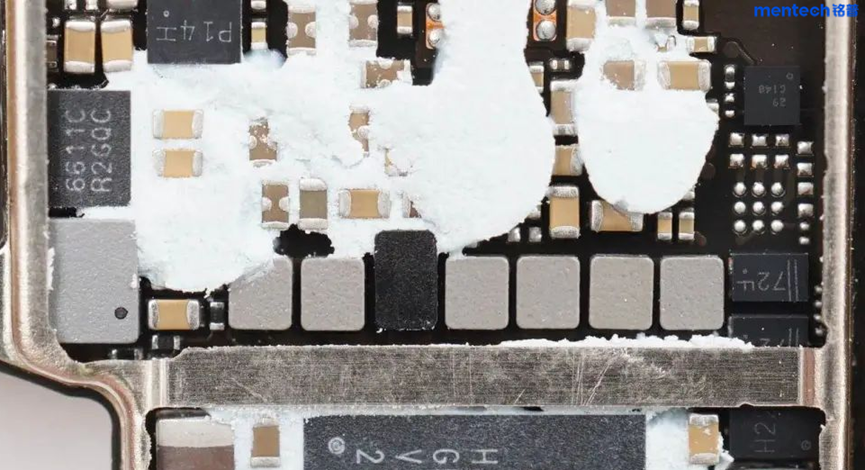
Growing Complexity in Automotive Electronic Systems
The rise of Advanced Driver Assistance Systems, vehicle electrification, and connected vehicle technology has increased the number of electronic subsystems inside a modern car. Automotive inductors support these systems by handling power management, signal filtering, and electromagnetic compatibility tasks across multiple vehicle architectures. Industry estimates have placed the automotive inductor market at roughly US$2.8 billion in 2024[1] [2] , with continued growth projected through the early 2030s, reflecting the expanding role these components play as vehicles become more electrified.
Within this broader category, automotive-grade molded inductors are used because their construction can meet the combined demands of heat, vibration, and electromagnetic interference that vehicle environments typically present.
DC-DC Conversion Across Vehicle Power Architectures
Modern vehicles operate multiple voltage domains, often including a traditional 12V system alongside higher-voltage rails used for electrified drivetrains. DC-DC converters bridge these domains, stepping voltage up or down as needed to keep different subsystems powered correctly. Inductors are a core component within these converters, storing and releasing energy as part of the voltage conversion process.
Because a molded inductor is built with a closed magnetic circuit and a compact, single-piece structure, it is well suited to the tight packaging and EMI-sensitive environment found in automotive DC-DC converter modules, where multiple power components often operate close together on the same board.
Battery Management and Onboard Charging Applications
Battery Management Systems monitor cell voltage, temperature, and state of charge across a vehicle’s battery pack, functioning as a central point of control for battery health and safety. Inductors within this system support filtering and power delivery functions that help maintain accurate, stable readings and dependable operation.
Onboard chargers, which convert AC power from an external source into DC power suitable for charging the vehicle battery, represent another area where automotive-grade magnetic components are applied. Mentech‘s new energy product development includes OBC transformers, DC-DC transformers, BMS transformers, and filter inductors designed to meet the reliability standards expected in these systems.
Charging Infrastructure and Energy Storage Systems[3]
Molded inductors also support power conversion in charging infrastructure and energy storage systems, where stable inductance and low power loss contribute to efficient operation. Their compact construction and protection against environmental factors make them relevant to applications that require reliable magnetic components in space-constrained electronic systems.
For automotive and new energy electronics manufacturers, selecting molded inductors involves balancing electrical performance, thermal requirements, mechanical constraints, and long-term operating conditions. These considerations help determine whether a component is suitable for a specific power conversion or filtering application.
Why Current Capacity and Temperature Range Matter
Automotive and new energy power modules frequently operate under continuous high current loads in confined spaces, whether inside an engine bay, a battery pack enclosure, or an outdoor energy storage cabinet. Components in these locations need to handle substantial current without excessive heat buildup, since elevated temperatures can affect both performance and long-term reliability.
Mentech’s molded inductor line addresses this by supporting current handling up to 120A and operating temperatures up to 155°C, figures that reflect the thermal and electrical stress these components are expected to tolerate in demanding installation environments. A compact footprint paired with this level of current and temperature capability is particularly relevant where board space is constrained but power density requirements remain high.
Reliability Under Vibration and Long-Term Operating Conditions
Vehicles and outdoor energy equipment are both subject to sustained vibration, temperature cycling, and mechanical stress over their operating lifetimes. Automotive electronics in particular need to meet recognized qualification standards to confirm they can withstand these conditions consistently.
Mentech’s automotive-grade molded inductor series, developed to meet AEC-Q200 test requirements, reflects this qualification process. The single-piece molded structure, which avoids the separate core-and-coil assembly used in wire-wound designs, is one factor contributing to the mechanical durability expected in vehicle and outdoor energy applications where components cannot be easily accessed or replaced once installed.
Matching Component Selection to System Requirements
Because automotive and new energy applications span a wide range of voltage levels, current requirements, and installation environments, selecting an appropriate molded inductor generally involves reviewing inductance, current rating, and temperature specifications against the demands of the specific subsystem, whether that is a DC-DC converter, a BMS circuit, or an inverter stage in an energy storage system. Component qualification status, such as AEC-Q200 compliance, is also a relevant factor for automotive-facing designs specifically.
Closing Perspective
As vehicle electrification and renewable energy adoption continue to expand, the power electronics supporting these systems will keep placing combined demands on current capacity, thermal performance, mechanical durability, and space efficiency. Molded inductors address several of these requirements through their construction, which is part of why they appear across DC-DC converters, battery management systems, onboard chargers, and energy storage inverters alike. Mentech, a transformer and inductor manufacturer established in 2008, develops molded inductors and related automotive-grade magnetic components for these applications, alongside its broader product range for telecom and industrial power electronics. Reviewing the specification sheet for a given part number remains the appropriate step for confirming whether its current rating, temperature range, and qualification status fit a particular automotive or new energy design.
删减上述产品线罗列,把文章重点拉回主题上
