
Regional noodle traditions have traveled far beyond their places of origin, yet the way people eat them continues to change. Texture, ingredient transparency, dietary preferences, and cooking convenience now influence how noodles are selected alongside flavor and cultural familiarity.
An Asian noodle exporter therefore operates within a food category shaped by both culinary heritage and changing consumer expectations. Understanding these shifts helps buyers, foodservice operators, and distributors evaluate noodles through a broader lens than origin or appearance alone.
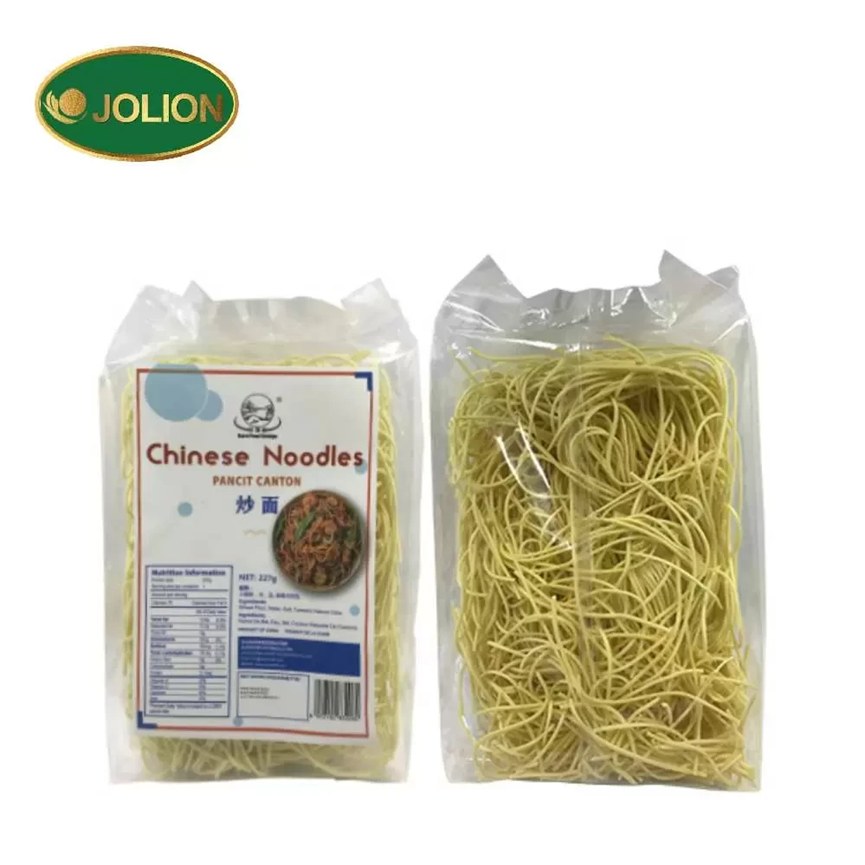
Understanding Noodle Ingredients and Dietary Needs
Noodles can differ substantially according to their primary ingredients, processing methods, and nutritional characteristics. Wheat-based varieties are widely used because they provide a familiar chew and work well with broths, stir-fries, and cold preparations. Rice, mung bean, sweet potato, buckwheat, and other grains or starches create different textures and cooking behaviors, giving chefs more possibilities when developing regional or fusion dishes.
Ingredient selection has also become increasingly relevant to consumers who pay closer attention to dietary restrictions. Gluten-free options can provide alternatives for people who avoid gluten, while lower-carbohydrate formulations may appeal to customers managing their carbohydrate intake. These categories should not be treated as interchangeable, however, because their cooking properties and mouthfeel can vary considerably.
For distributors working with an Asian noodle exporter, ingredient clarity is particularly useful when building product descriptions and communicating with downstream buyers. Information about the main ingredients, allergens, preparation method, and intended applications gives purchasers a more practical basis for comparing different noodle types.
How Texture Shapes Culinary Applications
Texture is one of the most important characteristics separating one noodle variety from another. A firm, resilient noodle may perform well in stir-fried dishes because it can retain its structure after exposure to heat and sauce. Softer varieties may be more suitable for soups, where the surrounding liquid becomes part of the eating experience.
Cooking time also affects the final result. Noodles that absorb water quickly can behave differently from varieties designed to maintain firmness during longer preparation. Professional kitchens may need to consider holding time as well, particularly when meals are prepared in batches rather than served immediately.
The relationship between noodle texture and sauce deserves attention too. Thick sauces tend to work better with noodles capable of carrying a substantial coating, while lighter broths can highlight delicate textures. Such considerations allow restaurants and prepared-food manufacturers to select formats according to the finished dish rather than simply choosing based on appearance.
Balancing Traditional Flavor With Modern Formulation
Traditional Asian noodle dishes often depend on a relatively simple combination of noodles, seasoning, vegetables, protein, and aromatic ingredients. The noodle itself contributes texture and absorbs part of the surrounding flavor, which means its ingredient profile can influence the character of the finished meal.
Modern consumers, meanwhile, may look for formulations that fit particular dietary preferences without abandoning familiar culinary experiences. This has encouraged greater interest in noodles made with clearly defined ingredients, including gluten-free and low-carb alternatives. Such products can be incorporated into established Asian recipes as well as newer fusion concepts.
JOLION Foods offers several noodle categories within this broader landscape, including gluten-free noodles and low-carb noodles. Its range is positioned for both traditional Asian preparations and fusion-style recipes, with an emphasis on straightforward ingredient information and recognizable flavor. For an Asian noodle exporter, this type of product diversity can make it easier to address different culinary applications without relying on a single formulation.
What Buyers Should Examine Before Importing
Import decisions involve more than assessing taste. Buyers should examine ingredient specifications, package formats, shelf-life information, cooking instructions, allergen declarations, and applicable food regulations in the destination market. These details can influence everything from customs documentation to retail labeling and restaurant preparation.
Consistency between batches is another practical consideration. Commercial buyers often need noodles that behave predictably during cooking, particularly when they are used across multiple restaurant locations or incorporated into packaged meals. Storage requirements should also be considered because temperature, humidity, packaging integrity, and transportation duration can affect food quality.
An Asian noodle exporter may serve several types of buyers, including wholesalers, restaurant suppliers, retailers, and food manufacturers. Each group can have different requirements regarding pack size, formulation, private labeling, or culinary application. Clear communication at the purchasing stage helps reduce misunderstandings later in the supply chain and allows the selected noodle format to match its intended market.
Conclusion
The modern noodle market reflects a useful balance between culinary tradition and changing consumer priorities. Texture still matters, but ingredient transparency, dietary suitability, preparation behavior, and supply considerations increasingly shape purchasing decisions as well.
A thoughtful evaluation looks beyond the finished dish to understand how a noodle is formulated, transported, prepared, and ultimately presented to consumers. JOLION Foods participates in this evolving category with noodle options designed for varied dietary and culinary uses, giving buyers another reference point when assessing products from an Asian noodle exporter.
